
რესტორნის კონდიციონირება: ნორმები და გადაწყვეტილებები
Three Zones — Three Challenges
A restaurant divides into three climate zones: kitchen (intensive heat and odor removal), dining hall (comfortable temperature without drafts), and terrace (open-space cooling). Each zone requires its own solution.
Kitchen: Exhaust and Supply
The kitchen is the most complex zone. Stoves, ovens, and fryers produce massive heat and grease vapors. Air exchange norm for kitchens: 20–30 times the room volume per hour. Hood exhaust systems remove greasy air, while supply ventilation compensates the volume and maintains comfortable conditions for chefs.
Dining Hall: Guest Comfort
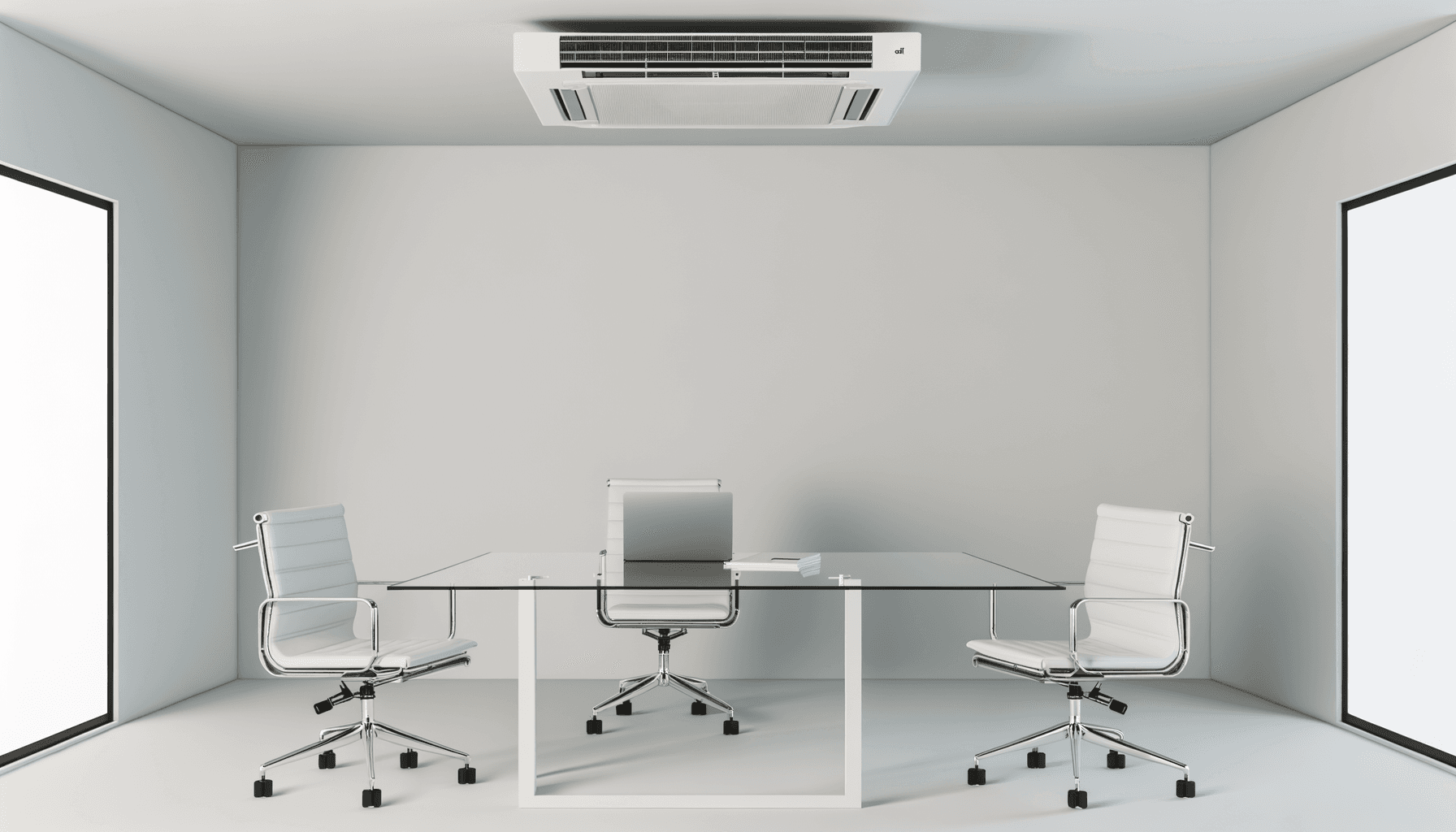
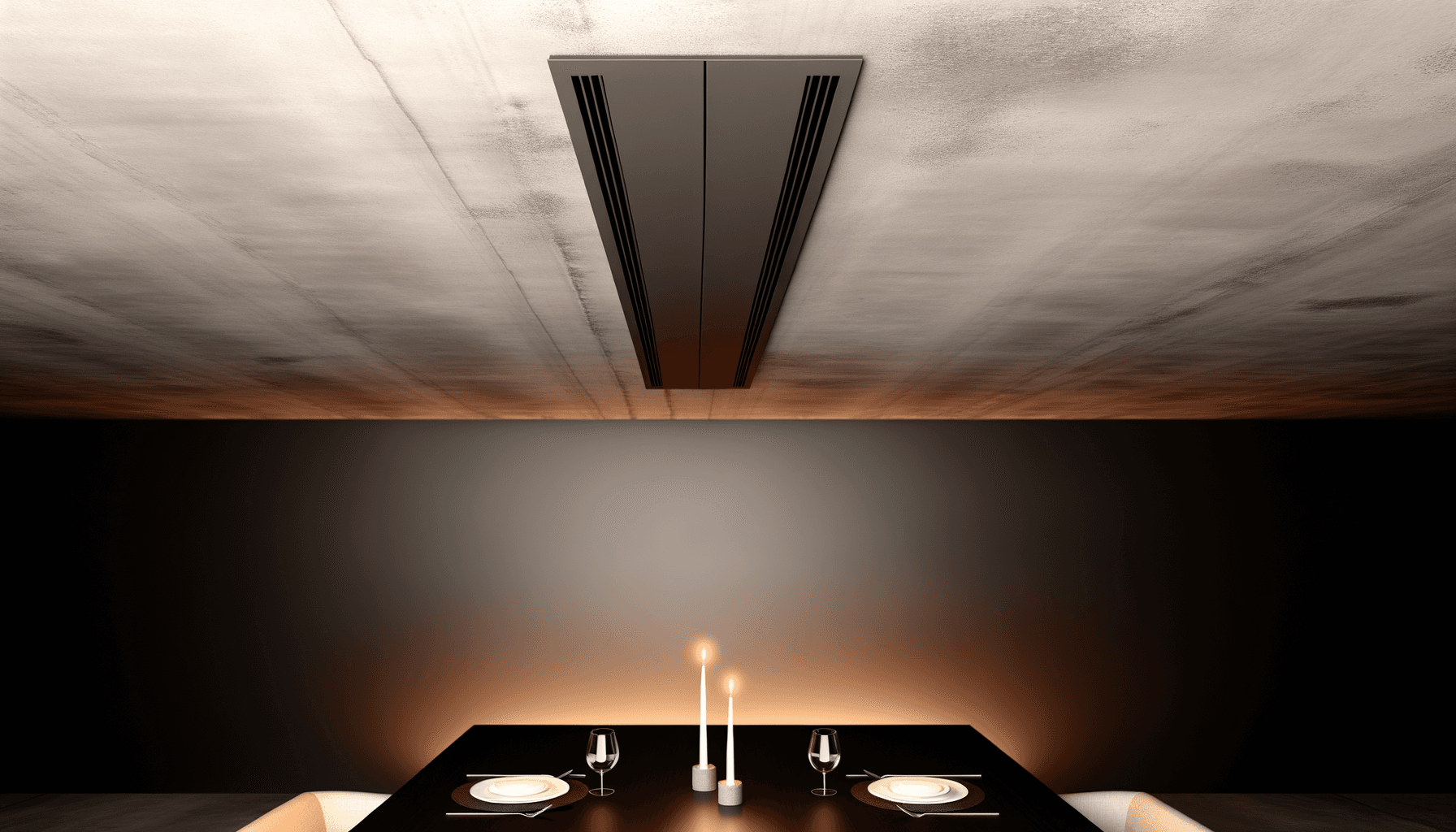
For the dining area, calculation is based on seating capacity: 60 m³/h per guest + 20% reserve for staff. Temperature: 22–24°C in summer, 20–22°C in winter. Critical: airflow must not blow on guests. Ceiling cassette or ducted systems are the best choice for dining halls.
Air Separation: Kitchen vs Hall
The main rule: kitchen air must not enter the dining area. This is achieved through pressurization — air pressure in the hall is slightly higher than in the kitchen. When the door opens, airflow goes from hall to kitchen, not the reverse. The hall supply system must deliver 10–15% more air than the exhaust removes.
Terrace: Evaporative Cooling
Cooling an open terrace with a standard AC is inefficient. Solutions: mist systems (reduce temperature by 5–8°C), ceiling fans (create a cooling sensation), infrared heaters (for cool evenings). For semi-enclosed terraces, mobile evaporative coolers work well.
Project Cost for a Tbilisi Restaurant
Full ventilation and AC project for a 50-seat restaurant: from 15,000 GEL (design) + 30,000–60,000 GEL (equipment and installation). Timeline: 3–6 weeks. Includes: kitchen exhaust/supply system, dining hall AC, automation. Vent Service handles the complete cycle.