
Office Climate Control: How to Choose the Right System
Office Climate Specifics
An office differs from an apartment: high occupancy density (1 person per 6–10 sq. m), equipment heat output (computers, servers, printers), frequent door opening, ventilation requirements. The AC system must handle all these factors simultaneously.
Option 1: Wall-Mounted Split Systems
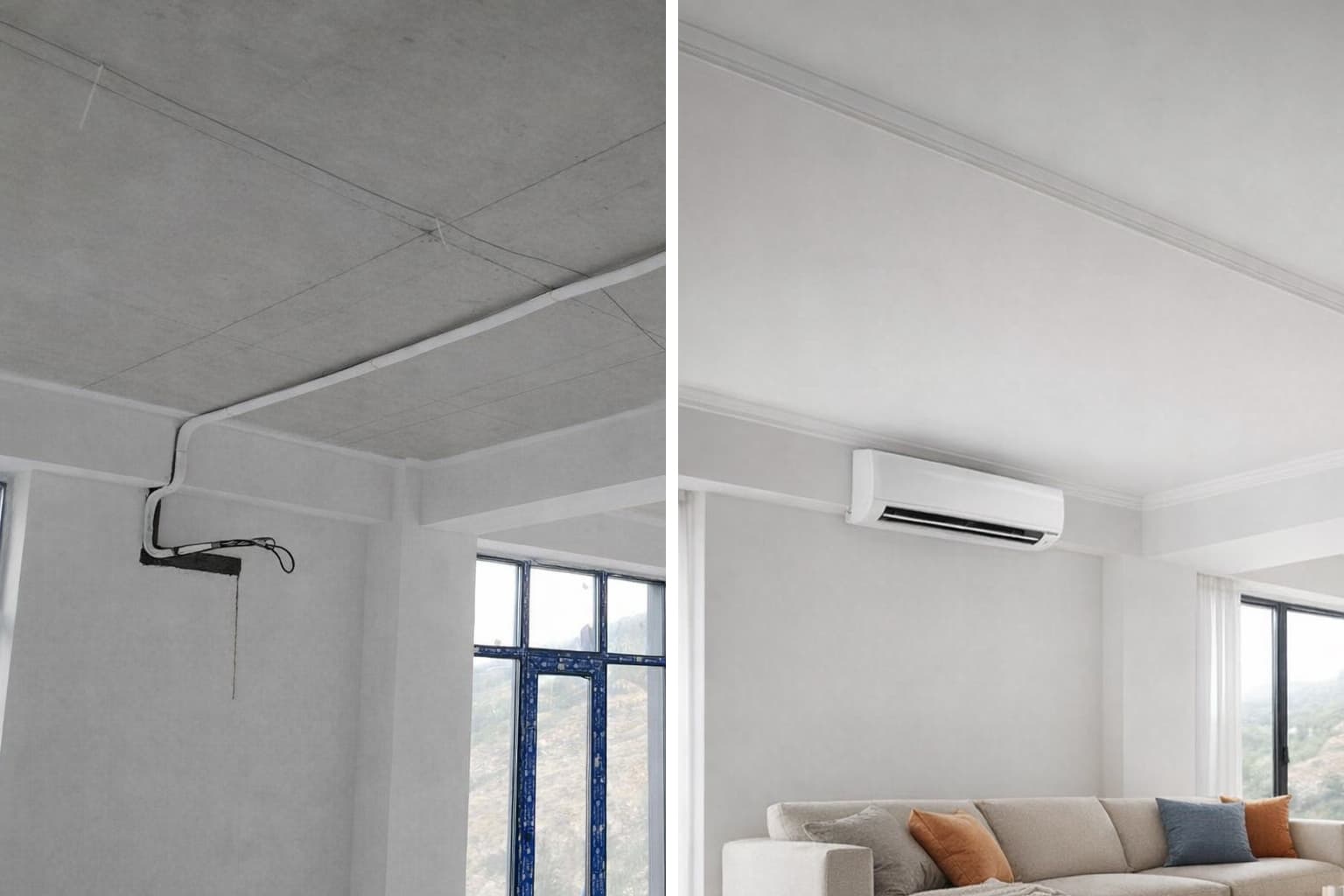
Suitable for small offices under 50 sq. m with separate rooms. Pros: low cost, simple installation, individual control per room. Cons: many outdoor units on the facade, uneven air distribution in open spaces.
Option 2: Cassette Air Conditioners
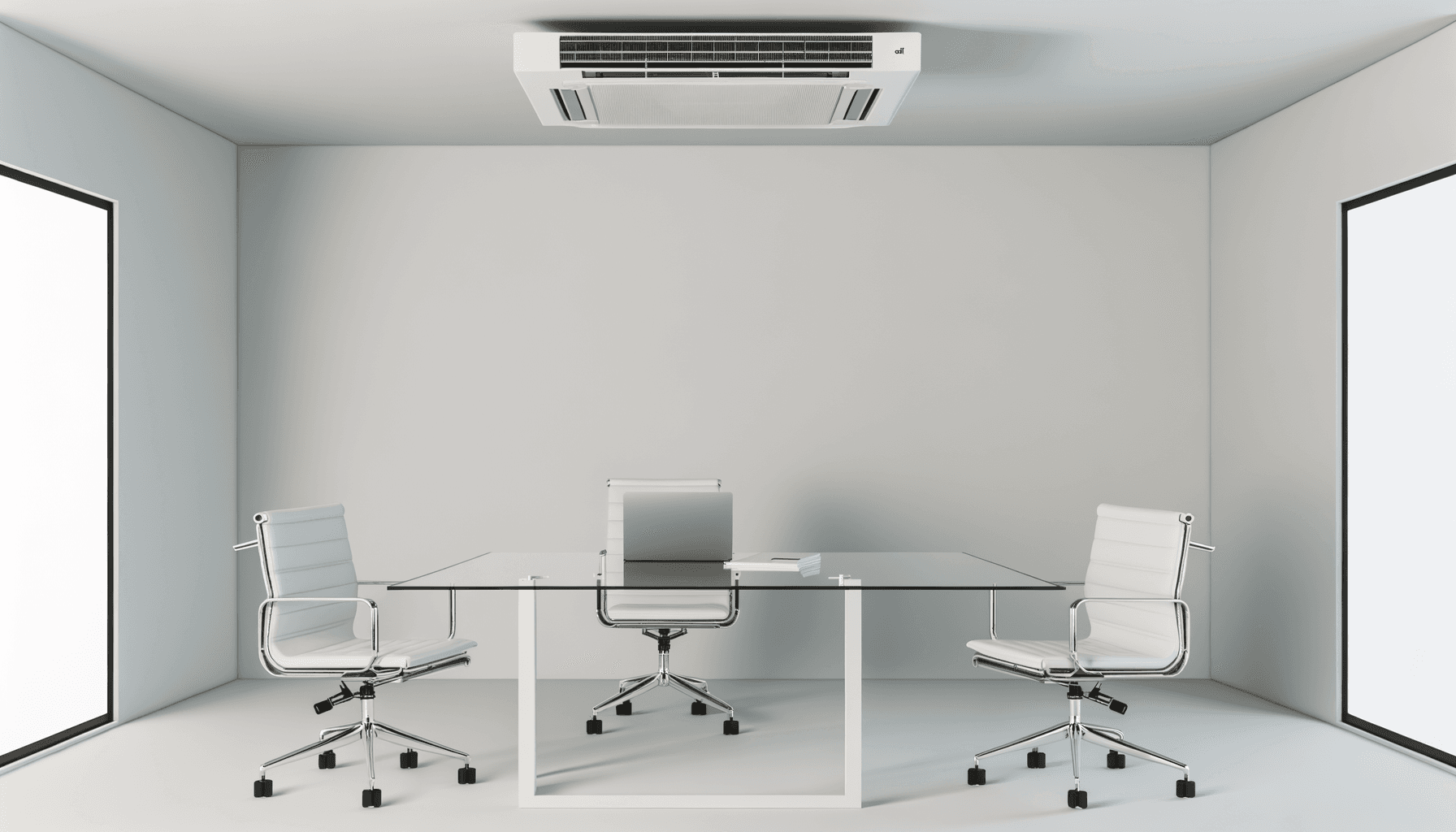
Installed in a suspended ceiling, distributing air in four directions. Ideal for open-space offices of 50–150 sq. m. One cassette unit of 18,000–24,000 BTU covers 40–60 sq. m. Even airflow, no wall space needed, professional appearance. Requirement: suspended ceiling with at least 30 cm plenum height.
Option 3: VRF System
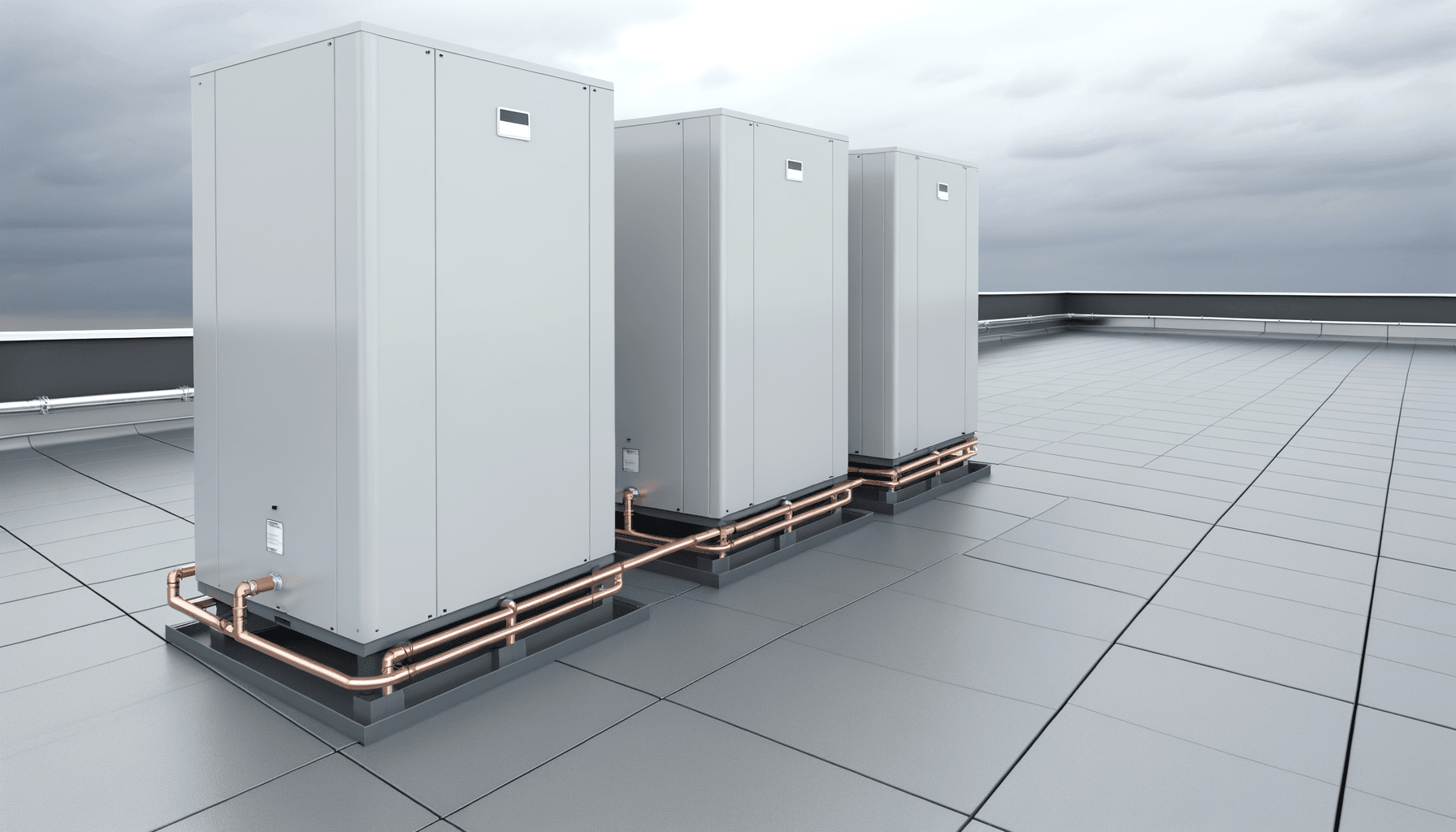
For offices over 150 sq. m, VRF (Variable Refrigerant Flow) is optimal. One powerful outdoor unit serves dozens of indoor units of different types: wall-mounted in offices, cassette in open spaces, ducted in conference rooms. Centralized control via BMS.
Capacity Calculation for Offices
Office calculation differs from residential: 150–200 BTU per sq. m (not 100). Reason: heat from equipment and people. Server rooms need separate calculation: 300–500 BTU per sq. m with year-round cooling.
Ventilation: Regulatory Requirements
Office ventilation standards are stricter: 60 m³/h per person. With 20 employees — 1,200 m³/h of fresh air. An AC can't solve this. A heat recovery ventilation unit integrated with the AC system is needed.
Cost and Timeline for Tbilisi
Split systems: from 2,000 GEL per room (equipment + installation). Cassette unit: from 4,000 GEL each. VRF system for 300 sq. m office: from 25,000 GEL. Design and installation: 2–4 weeks. We provide the full cycle: design, supply, installation, commissioning, maintenance.