
Inverter vs On/Off AC: Which Is More Cost-Effective in Georgia
How Inverter Technology Works
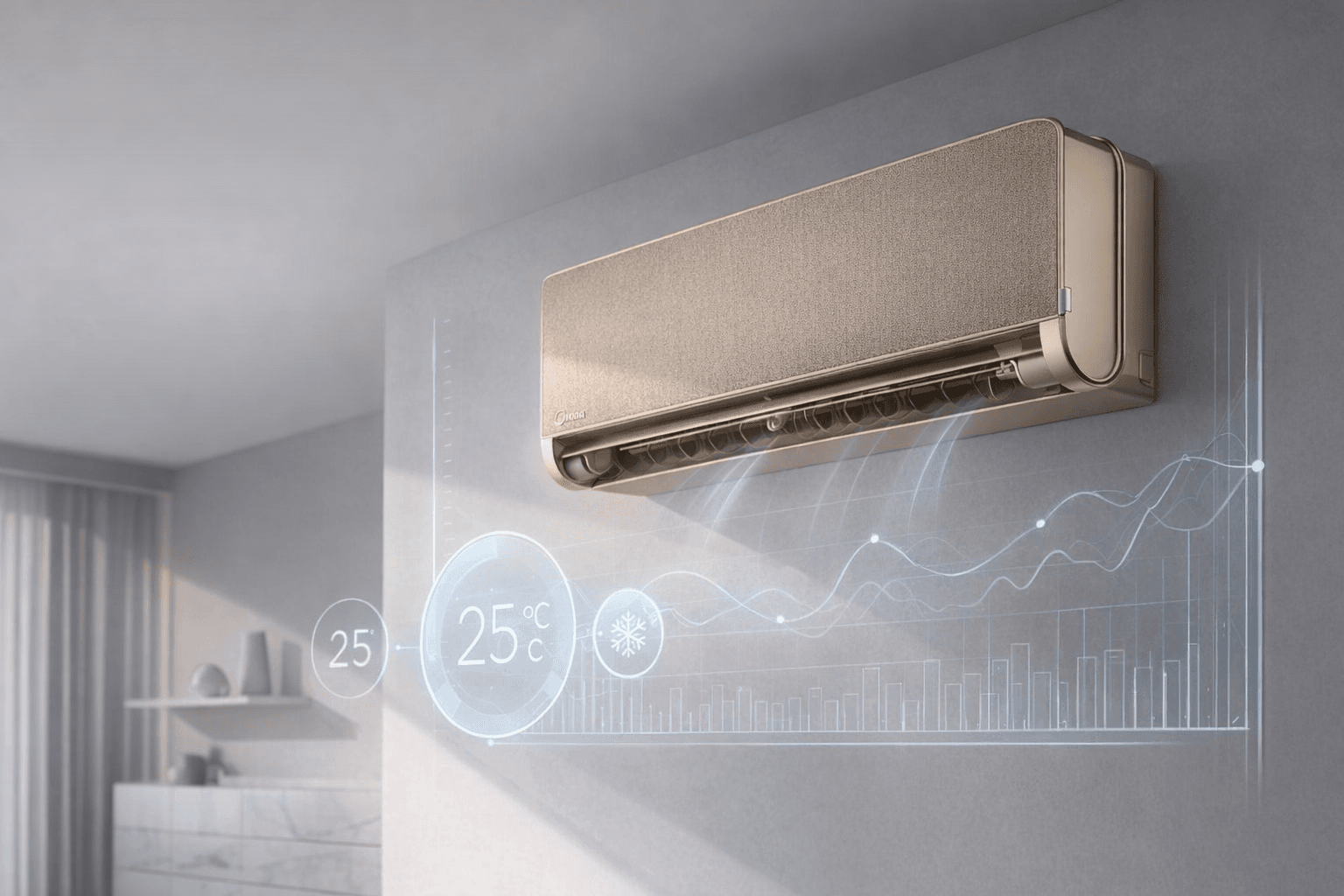
An inverter compressor uses a frequency converter to smoothly adjust speed. Instead of on/off cycles, it runs continuously at optimal speed, maintaining temperature within ±0.5 °C.
Consumption Comparison: Real Numbers
With 8 hours daily use, a 12,000 BTU On/Off model consumes 8–10 kWh, inverter — 4–6 kWh. At 0.25 GEL/kWh over a season (120 days): On/Off ≈ 240–300 GEL, inverter ≈ 120–180 GEL. Savings: up to 150 GEL per season.
Comfort: Stability and Quiet
Inverters run quieter (22–28 dB vs 32–38 dB for On/Off at startup), avoid cold air drafts, and maintain stable temperature. Especially important for bedrooms.
When On/Off Is Still Better
On/Off models make sense if you use AC less than 2 months/year, budget is tight, or the space is non-residential. Price difference: 300–600 GEL.
ROI Calculation for Georgia
With a 500 GEL price difference and 150 GEL seasonal savings, an inverter pays for itself in 3–4 seasons. Inverter compressor lifespan is 30–40% longer due to no startup shock loads.
Midea Inverter Lineup
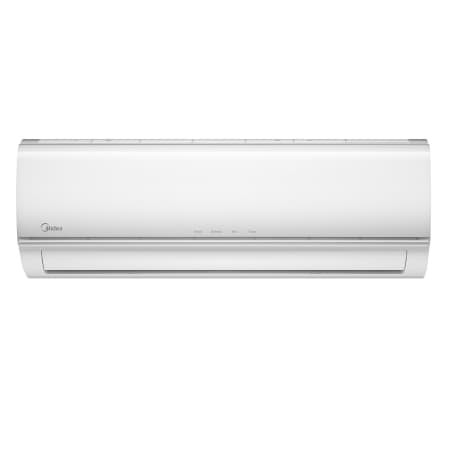
Midea Mission, Xtreme Save, and BreezeleSS series offer inverter models from 9,000 to 24,000 BTU with A++ energy class, Wi-Fi control, and noise from 20 dB. All models available in our catalog.